
Thinking about living in Southaven while working in Memphis? You are not alone. For many buyers, the appeal is simple: a short drive into Memphis, a suburban housing pattern on the Mississippi side, and enough shopping, parks, and entertainment nearby to keep daily life convenient close to home. If you are weighing whether that setup fits your routine, this guide will help you look at the commute, housing mix, and lifestyle tradeoffs in practical terms. Let’s dive in.
Southaven is built for people who want space and structure without feeling too far from Memphis. The city’s 2025 population estimate is 57,819 across 41.33 square miles, and its average travel time to work is 24.0 minutes. That points to a suburban market where driving is a normal part of daily life.
If your job is in Memphis, the distance can feel very manageable. The Southaven-to-Memphis drive is about 13.4 miles and 17 minutes in ideal conditions. Even with that, it helps to think of the commute as practical, not perfect, since real traffic, road work, and time of day can change your trip.
For many commuters, Interstate 55 is the main anchor. The Church Road and I-55 area is one of the city’s best-known travel points, and Southaven’s Metro District is built around that interchange. If quick interstate access matters to you, that area often stands out when comparing parts of the city.
Other roads play a big role in how easily you can move around Southaven before you even get on the highway. Goodman Road, Stateline Road, Getwell Road, and Airways Boulevard all serve as important local corridors. Depending on where you live and where you work in Memphis, these roads can make a big difference in your day-to-day routine.
I-269 also matters, especially for regional trips. Southaven describes it as a 30-mile loop around Memphis that helps relieve pressure on the I-55/69 corridor. If your work, errands, or appointments take you to different parts of the metro area, that broader loop can add flexibility.
One of the most useful ways to think about this move is to balance convenience with realism. Southaven does offer a short interstate commute for many Memphis workers, but that does not mean every drive will feel quick. Congestion, peak commute hours, and construction can all affect travel times.
That is especially worth noting because Southaven is actively planning transportation improvements for 2026 through 2029. Current projects include repaving Airways Boulevard, repaving Church Road, widening Stateline Road, and adding a multi-use path on Getwell. Those updates show how important these corridors are, but they also remind you that road conditions can shift over time.
If you picture Southaven as a city of detached homes and subdivision living, the local planning data supports that view. Southaven’s land-use plan is strongly oriented toward single-family housing, with low-density areas designed for roughly one-half-acre to one-acre lots. Medium-density areas are planned for about 2 to 5 dwellings per acre, and even there, site-built single-family detached homes are expected to be the main use.
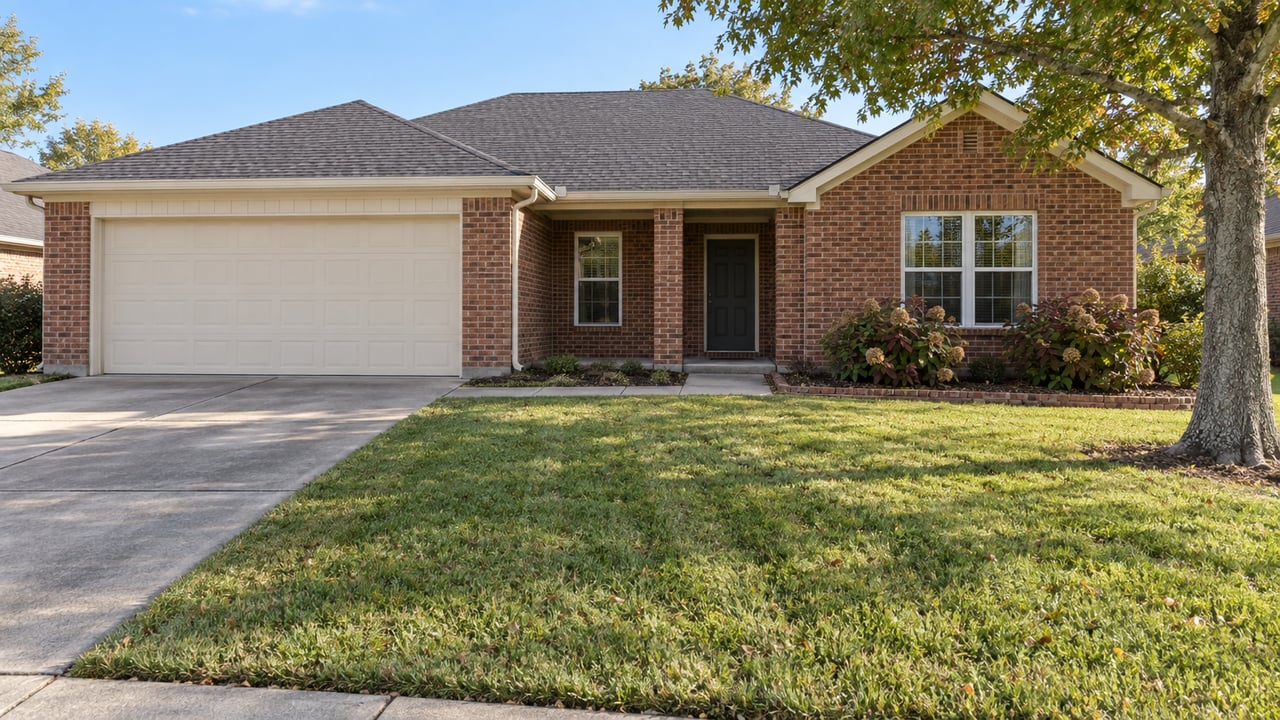
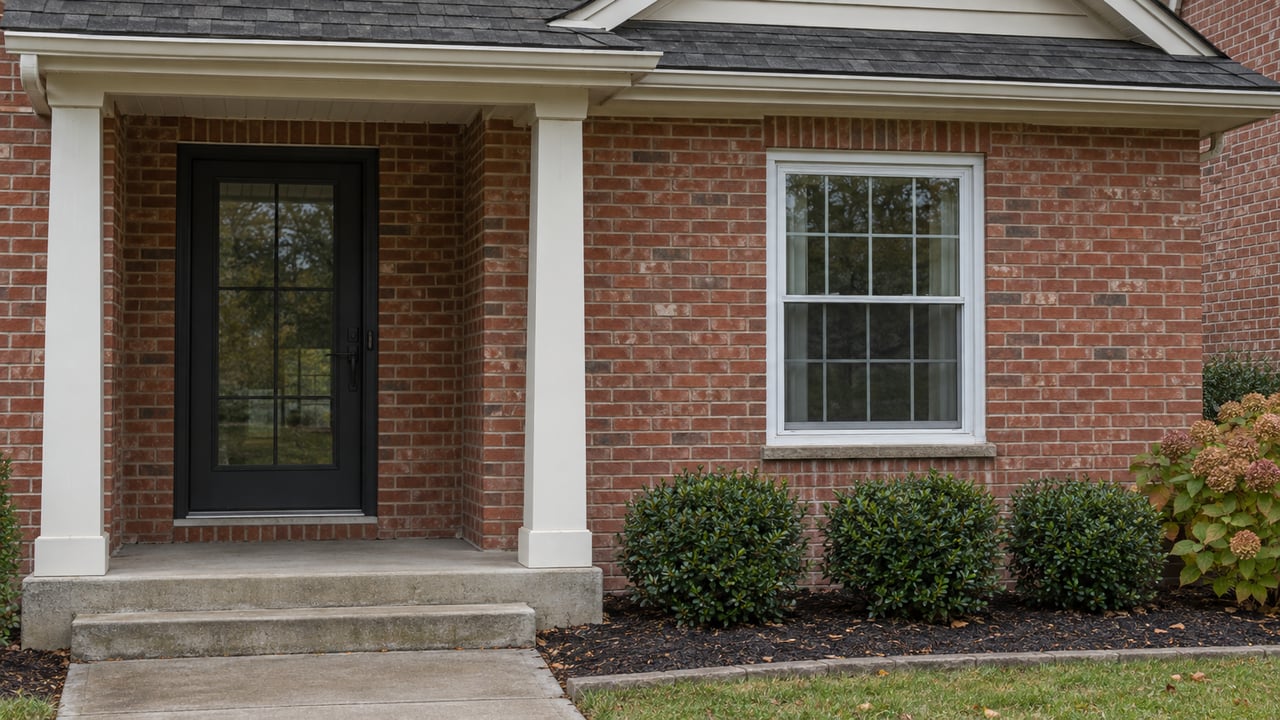
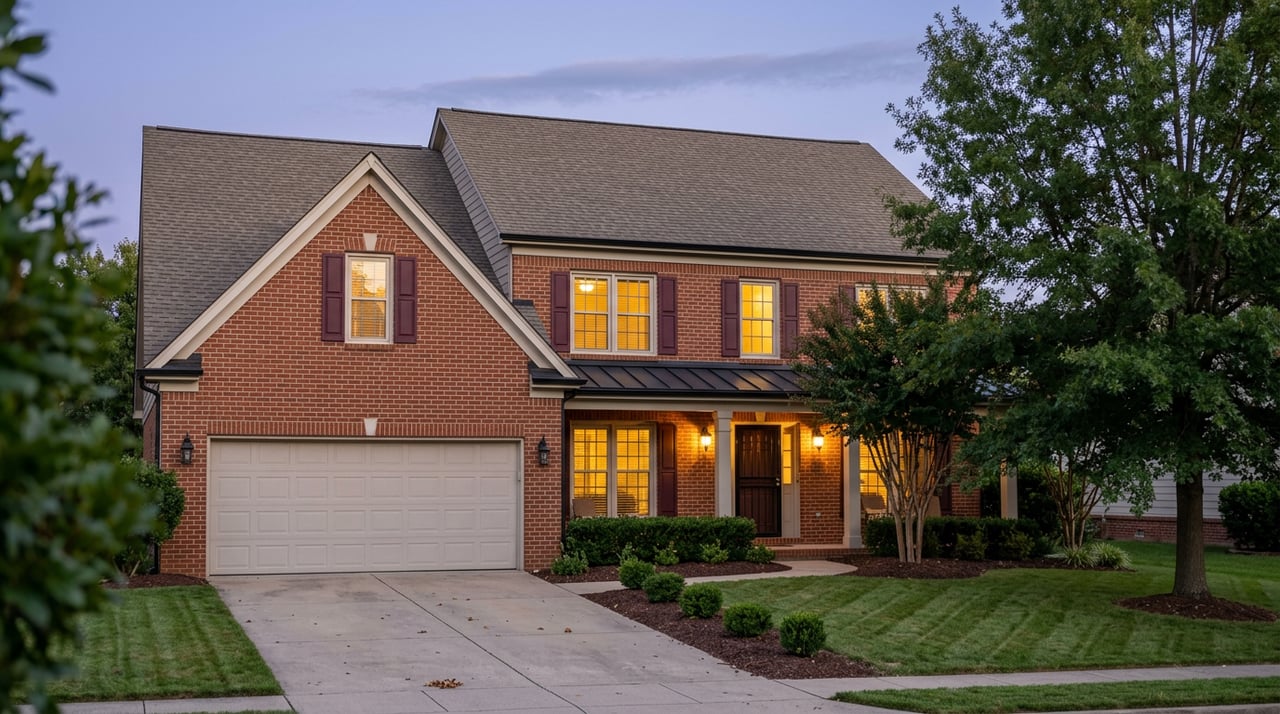
That matters if you are moving from Memphis and want a more traditional suburban setup. You are more likely to find a housing pattern centered on standalone homes rather than a heavy mix of townhomes or dense attached housing. For buyers who want driveway space, yards, and subdivision-style neighborhoods, that can be a strong draw.
The newer-home picture points in the same direction. A Southaven-specific AEI Housing Center playbook found that only 0.3% of new homes built in residential subdivisions from 2000 through 2024 were townhomes. That does not describe every property in the city, but it does reinforce how strongly detached homes shape the market.
Southaven is not standing still. The city projects about 11,000 additional dwelling units and 28,500 more residents by 2040. For you as a buyer, that suggests an area that expects continued residential growth and long-term demand.
Growth can be positive because it often supports more services, infrastructure, and housing choices over time. At the same time, growth also means you should pay attention to traffic patterns, corridor improvements, and how your preferred area connects to your workplace and daily stops.
Not automatically. This is one of the biggest assumptions buyers make, and current Census figures do not support it as a blanket rule. Southaven’s median owner-occupied home value is $236,300, its median monthly owner costs with a mortgage are $1,565, and its median gross rent is $1,445.
Compared with Memphis city, Southaven shows higher Census median housing values and rents. That means the value proposition is often less about getting a lower price and more about getting a different lifestyle and housing form. In many cases, buyers are choosing Southaven for suburban layout, owner-occupied stability, and commute convenience rather than a simple cost savings.
Southaven also has a 72.5% owner-occupied housing unit rate. That is another sign that the city leans strongly toward ownership rather than a renter-heavy pattern. If you are looking for a place where owner-occupied homes are a major part of the market, that may align with what you want.
A big part of Southaven’s appeal is that not everything depends on Memphis. You can work in Memphis and still handle many parts of daily life closer to home. That makes the city feel more complete and less like a bedroom community with nothing happening outside work hours.
The Metro District includes Tanger Outlets and Landers Center, giving you retail and event options without crossing state lines. The Snowden District highlights the Getwell corridor, BankPlus Amphitheater at Snowden Grove, and Snowden Grove Park. Those destinations show that Southaven has its own commercial and recreation nodes built into the city.
For many buyers, that balance matters as much as the commute itself. You may drive into Memphis for work, but shopping, entertainment, and time outdoors can still happen much closer to home. That can make your weekly routine feel more efficient.
The best move is to match the city to the way you actually live. A good-looking map or a short mileage estimate only tells part of the story. You want to think about your work schedule, your preferred routes, and where your everyday errands happen.
Ask yourself a few practical questions:
If the answer to most of those questions is yes, Southaven may be a strong fit. It offers a short commute in ideal conditions, a clearly suburban housing mix, and enough city amenities to support everyday life on the Mississippi side.
Southaven works best when you go into the search with clear expectations. The city can offer a practical commute to Memphis, but the easiest drive often depends on exactly where you live and where you work. Looking only at the city name is not enough. Street access and corridor choice matter.
You should also keep your home search grounded in the actual market. If you expect Southaven to be a lower-cost substitute for Memphis in every case, you may be surprised. If you see it instead as a suburban option with a strong single-family identity and solid commuter logic, the market tends to make more sense.
That is where local guidance can make a real difference. When you compare neighborhoods, routes, and home types together, you can make a decision that fits both your budget and your routine. If you are considering a move in Southaven or across the Mid-South, Dawn Welch Kinard can help you evaluate the commute, the housing options, and the local market with practical, senior-level guidance.
Stay up to date on the latest real estate trends.
We are here to help you with all your real estate needs, whether it is just a question or help to sell/find a home, feel free to contact us at any time!
WELCH REALTY, LLC
MOBILE: (901) 490-9003
OFFICE: (901) 221-8032
[email protected]
356 NEW BYHALIA RD STE 2 COLLIERVILLE, TN 38017