
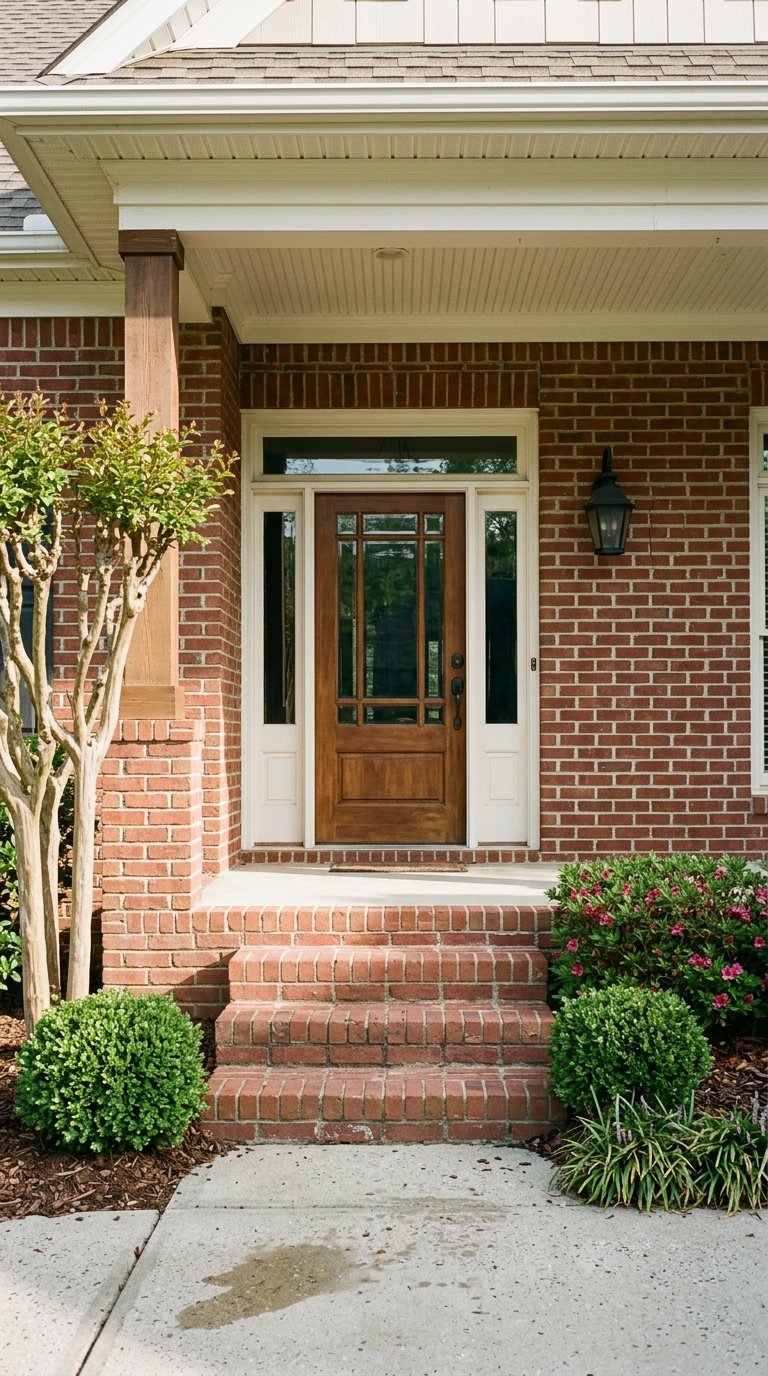
If you love homes with deep front porches, tall columns, and details that tell a story, Holly Springs is hard to ignore. This small Marshall County city has a remarkable concentration of historic architecture, and that gives you more than pretty streets to admire. It gives you context for how the town grew, what makes certain blocks feel different, and what to expect if you hope to buy a historic property here. Let’s dive in.
Holly Springs was founded in 1836 and incorporated in 1837. As Marshall County’s seat and a cotton-trading town connected by rail to Grand Junction, Tennessee, in the 1850s, it grew quickly during the 19th century.
That growth was interrupted by the Civil War and the yellow fever epidemic of 1878. Because development slowed and resumed in stages, Holly Springs now shows a layered mix of prewar mansions, postwar cottages, and early 20th-century infill housing.
The city continues to highlight this heritage today. Its official history notes about 175 historic homes and buildings in the Holly Springs and Marshall County area, along with traditions such as Christmas home tours and the Annual Pilgrimage in April.
One of the most interesting things about Holly Springs is that its historic character is not packed into just one street. A comprehensive survey identified 650 buildings and documented four historic districts totaling 308 buildings, which shows how widely the older built environment is spread.
National Register documentation also describes clear differences in how the streets were laid out. On major east-west streets, homes often sit farther back on larger lots with mature trees, boxwood hedges, and cast-iron fences, while north-south streets tend to feel tighter and more closely spaced.
East Holly Springs is the largest of the community’s three architecturally significant residential neighborhoods. The district is bounded by Compress, Chesterman, Randolph, and Spring Streets and Salem and Van Dorn Avenues.
This area is where you can best see the town’s grand residential scale. Larger homes, deeper setbacks, and historic landscape features help create a strong sense of place.
The Southwest Holly Springs Historic District is another important residential area. It is bounded by South Center, South Memphis, Craft, Marbury Court, Ghulahoma, Gholson, Elder, and Mason Avenues.
This district reflects Holly Springs’ mixed-period development. If you are drawn to neighborhoods where different eras sit side by side, this area helps show how the town evolved over time.
The Courthouse Square Historic District forms the city’s civic and commercial core. Here, the public square is framed by row buildings and public structures rather than the large residential lots seen in other parts of town.
For buyers and history-minded visitors, this district shows a different side of Holly Springs architecture. It feels more urban and civic, with building types tied to commerce and government rather than private residential life.
The Depot-Compress area around Van Dorn Avenue and Compress Street reflects the town’s railroad and cotton-related commercial history. This corridor helps explain why Holly Springs developed the way it did.
It is also a reminder that architecture here is not only about stately houses. Industrial and transportation history shaped the town’s identity too.
Holly Springs is especially known for Greek Revival architecture. According to National Register documentation, that is the dominant pre-Civil War influence in town, and local examples range from modest cottages to large mansions with dramatic porticos.
That does not mean every historic home looks the same. The town also includes Gothic Revival and Italianate houses from the late 1850s, followed later by Queen Anne homes, modest bungalows, and vernacular forms such as shotgun and saddlebag cottages.
In practical terms, that means your idea of a “historic Holly Springs home” can vary a lot. You may picture a formal columned house, but you might also fall for a smaller cottage or early bungalow with a very different scale and layout.
Salem Avenue is one of the most recognized historic streets in Holly Springs. The East Holly Springs district nomination notes that it was often called Silk-Stocking Avenue and highlights major Greek Revival landmarks including Montrose, Oakleigh, and Wakefield.
The same documentation points to Airliewood and Cedarhurst as Gothic Revival homes along the avenue. Together, these homes help explain why Salem Avenue stands out as a key reference point when people talk about Holly Springs architecture.
Holly Springs also includes a range of standout buildings beyond the best-known mansions. The East Holly Springs nomination identifies Linden Terrace as the district’s only Federal-style home and Christ Church Rectory as a French Second Empire residence.
You also see the influence of local architect Spires Bolling in homes such as the Bolling-Gatewood House, White Pillars, and Finley Place. These kinds of examples matter because they show the town is architecturally varied, not one-note.
The city’s places-of-interest materials highlight sites such as Dunvegan, Grey Gables, The Terrace, Walter Place, and the Montrose house museum. These landmarks help define the public image of Holly Springs as a historic destination.
The Spires Bolling House offers another layer of meaning. It is now the Ida B. Wells-Barnett Museum and has undergone extensive restoration, showing how a historic house can become a preserved public landmark rather than remain only a private residence.
Historic homes can offer character that newer properties often do not. Original wood siding, older masonry, porches, fencing, and lot layouts all contribute to the appeal, but they can also shape how repairs and updates are handled.
In Holly Springs, that matters because the city has an active preservation framework. If a property is within the H-1 Historic Overlay Zone, construction, alteration, or repair is reviewed by the Holly Springs Preservation Commission.
The city’s design standards call for compatible rehabilitation rather than wholesale replacement. For example, wood siding should be retained when possible, replacement wood siding should match original size and lap dimensions, masonry should be repaired carefully, and sandblasting should be avoided.
The ordinance also says the commission approves historic paint colors through certificates of appropriateness. That means exterior projects often require advance planning rather than last-minute changes.
Preservation standards in Holly Springs extend beyond the house itself. Fence and site features can also affect what is considered appropriate.
The zoning ordinance says new or reclaimed iron fencing may suit pre-1900 houses, and wood picket fences may be appropriate in front or rear yards. Chain-link or woven fences are generally considered inappropriate in front or visible side yards.
For you as a buyer, this points to a practical reality. Owning a historic-style home in Holly Springs may involve phased maintenance, matched materials, and a little more coordination before exterior work begins.
If you are considering a historic home here, it helps to look at Holly Springs by area rather than as one single style or setting. Different parts of town tell different stories.
Start with Salem Avenue if you want to see the grand antebellum image many people associate with Holly Springs. Spend time in East Holly Springs and Southwest Holly Springs if you want a fuller view of mixed residential architecture across eras.
Then visit Courthouse Square to understand the civic and commercial side of the city’s historic core. Finally, pay attention to the Van Dorn and Compress corridor if you want to see how rail and cotton history shaped the local built environment.
As you tour homes, look beyond curb appeal. Notice setbacks, lot sizes, fencing, exterior materials, and how closely the property fits the surrounding streetscape.
Historic homes in Holly Springs are appealing because they offer more than square footage. They give you a chance to own a piece of a town whose growth, setbacks, and revival are still visible in its streets and buildings.
At the same time, buying one is usually not the same as buying a newer house. The architecture, preservation standards, and maintenance approach can all affect how you evaluate a property and plan for ownership.
If you want help sorting through Holly Springs homes, understanding what makes one area different from another, or identifying the practical questions to ask before you buy, Dawn Welch Kinard can help you navigate the process with clear, local guidance.
Stay up to date on the latest real estate trends.
We are here to help you with all your real estate needs, whether it is just a question or help to sell/find a home, feel free to contact us at any time!
WELCH REALTY, LLC
MOBILE: (901) 490-9003
OFFICE: (901) 221-8032
[email protected]
356 NEW BYHALIA RD STE 2 COLLIERVILLE, TN 38017