
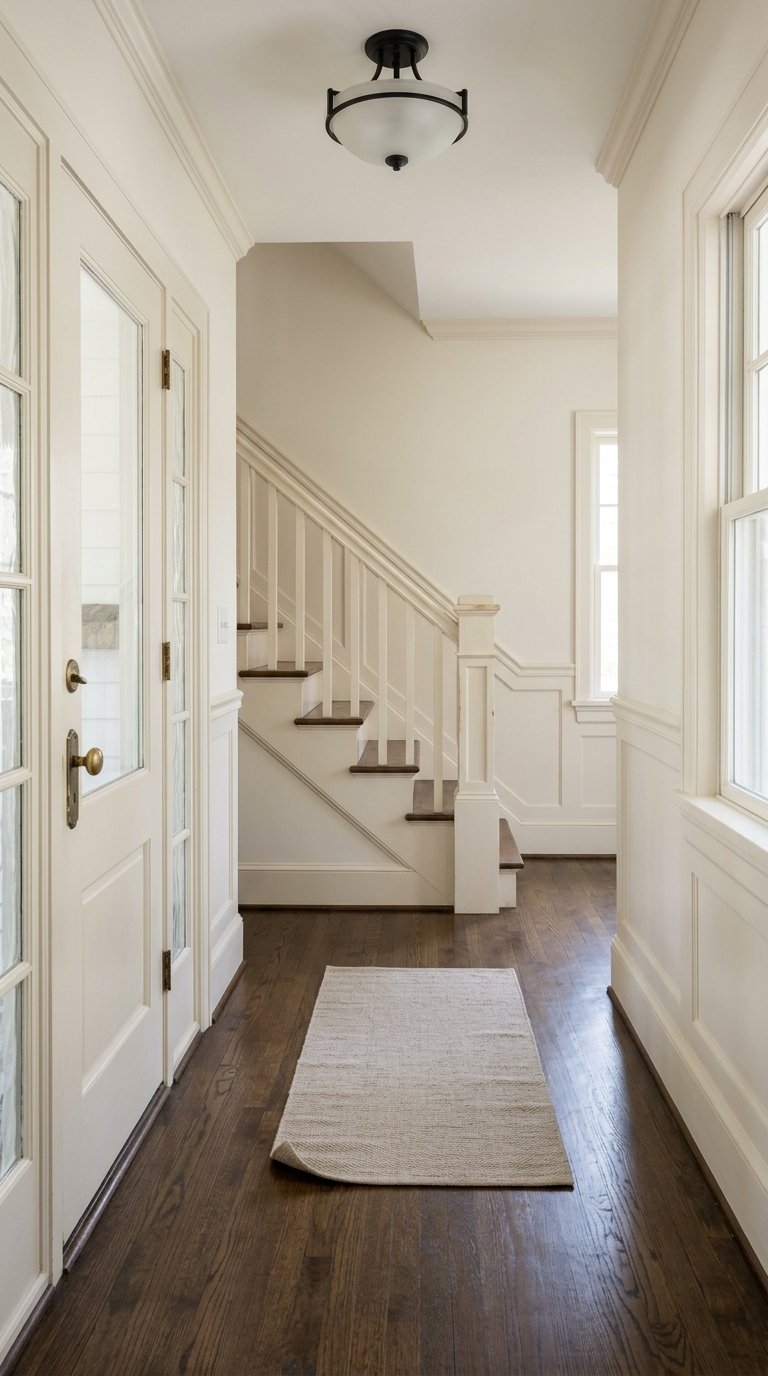
Thinking about buying a historic home in Holly Springs? You may be drawn to the character, craftsmanship, and sense of place that older homes can offer, but it is smart to go in with a clear plan. When you understand how local preservation rules, inspections, and repair priorities work, you can make a more confident decision. Let’s dive in.
Holly Springs has deep roots. The city was founded in the 1830s, incorporated in 1837, and became the seat of Marshall County. That history helps explain why the area has such a strong collection of older homes and buildings.
The city notes that there are about 175 historic homes and buildings in the Holly Springs and Marshall County area. Local heritage materials highlight homes such as Dunvegan, Grey Gables, Montrose, and Walter Place, with architectural styles that include Greek Revival, Italianate, Gothic Revival, and English Basement. For you as a buyer, that means historic ownership here is tied to a larger preservation story, not just one individual house.
That broader context matters because Holly Springs also includes several historic districts recognized by the National Park Service. City surveys inventoried hundreds of buildings and identified multiple historic districts with hundreds of structures. In practical terms, a home you love may sit within a district setting that affects future exterior changes and long-term upkeep decisions.
One of the first things you should verify is how the property is designated. A house can be old without being individually listed as historic, and it can also be part of a historic district without standing alone as a landmark. Those differences can affect approvals, renovation planning, and possible tax-credit options.
In Holly Springs, a key local question is whether the property is inside the H-1 Historic Overlay Zone. According to the city ordinance, construction, alteration, or repair within that overlay is subject to review by the Holly Springs Preservation Commission when the work affects exterior areas visible from public rights-of-way. That means your renovation ideas may need review even if the home is already standing and occupied.
It is also wise to confirm whether the property is individually listed or contributes to a historic district. The Mississippi Department of Archives and History recommends checking its Historic Resources Inventory Database or contacting its Historic Preservation Division. This step can help you understand which rules may apply before you make an offer.
If a home is within the H-1 overlay, local review usually focuses on exterior work and visible features. Holly Springs’ standards emphasize preserving historic sites and structures and encouraging compatible changes rather than unnecessary removal of older materials.
That can include more than siding or windows. The city standards note that colors may be reviewed in connection with certificates of appropriateness, and features such as fences, walls, steps, paving, sidewalks, and signs should be visually compatible. If you are picturing a quick exterior makeover right after closing, this is something to understand early.
The ordinance also states that demolition of a building that contributes historically or architecturally to a district is considered inappropriate and should be avoided. So if you are comparing a historic fixer-upper with a tear-down plan, a local review issue could change the direction of the project.
In Holly Springs, water management should be near the top of your list. NOAA normals show about 58.17 inches of annual precipitation, which makes roof drainage, grading, crawlspace moisture, and exterior paint maintenance especially important over time.
The National Park Service stresses that roofs, walls, openings, projections, and foundations are the parts of a historic building that help keep water out. When those components fail, small maintenance issues can turn into larger repair costs. That is why routine inspection matters so much when you are evaluating an older house.
Ask your inspector to pay close attention to:
These are not cosmetic details. In a warm, wet climate, they are often the first line of defense for the rest of the house.
Historic windows are often one of the most misunderstood parts of an older home. Many buyers assume original windows must be replaced right away, but that is not always true.
National Park Service guidance says many historic windows can last more than a century with regular maintenance and may perform better than replacements. Before you budget for new windows, ask whether the existing windows can be repaired with glazing work, caulking, weatherstripping, or storm windows.
That approach can matter even more if the home is in a locally regulated historic area. Repair is often more consistent with preservation standards than wholesale replacement. It can also help you preserve the house’s original appearance while improving comfort and efficiency.
Older homes often come with materials or conditions that need careful handling. That does not mean you should avoid them, but it does mean you should budget and plan wisely.
For homes built before 1978, the EPA says lead-based paint is more likely to be present. Renovation work such as sanding or window repairs can create hazardous dust, and buyers of most pre-1978 homes have federal disclosure rights before purchase. If you are considering updates soon after closing, lead-safe planning should be part of the conversation.
Asbestos can also be a concern in items such as floor tile, ceiling tile, or pipe wrap. The EPA notes that you cannot identify asbestos by sight alone, so suspect materials should be sampled by a properly trained professional before renovation disturbs them.
Termites are another major issue in Mississippi. Mississippi State University Extension says termites are a fact of life in the state, and most lenders require a wood-destroying insect report or termite inspection when existing homes are sold. In a historic home, moisture control and termite protection often go hand in hand.
A historic home may have charm in every room, but you still need the house to function well day to day. Electrical, plumbing, and HVAC systems deserve close attention during inspections and repair planning.
The National Park Service recognizes that limited and sensitive upgrades to mechanical systems are appropriate in preservation work. That is important because older homes often need modern system improvements, but those changes should be planned in a way that respects the building’s character where possible.
If you are budgeting after purchase, many buyers prioritize repairs in this order:
This kind of sequence can help you handle urgent issues first while protecting the structure from further damage.
Floodplain status is another important due-diligence step in Holly Springs. The city participates in the National Flood Insurance Program, and land that lies wholly or partly within the designated 100-year flood plain or floodway is subject to the city’s floodplain ordinance.
The city ordinance directs users to consult the official flood maps for final determination. Even if a house appears dry during a showing, floodplain status can affect insurance needs, repair planning, and your comfort with the property over time.
This is one more reason to treat a historic-home purchase as both an emotional decision and a practical one. The right house should fit your goals, but it should also make sense on paper.
Historic tax credits may help offset rehabilitation costs, but only if the property and project qualify. The Mississippi Department of Archives and History says the federal preservation credit is 20% for income-producing properties, while the Mississippi credit is 25% for qualifying historic structures used for income-producing purposes or as owner-occupied dwellings.
Eligibility is not automatic. MDAH says the building must be a certified historic structure, the rehabilitation must meet the Secretary of the Interior’s Standards, and applications must be submitted electronically. It also notes that some costs, including new rear additions, appliances, and landscaping, generally do not qualify.
If tax credits are part of your plan, verify eligibility before work begins. A project that looks simple at first can become much more technical once preservation standards and application requirements enter the picture.
Historic homes reward thoughtful ownership, but they usually do best when you budget for maintenance from the start. In Holly Springs, that first-year budget should reflect both the age of the home and the local climate.
A practical starting budget often includes:
This does not mean every house will need all of these items right away. It simply means the smartest buyers leave room for both expected repairs and preservation-related approvals.
Buying a historic home in Holly Springs is different from buying a newer house in a subdivision. You are not just evaluating square footage and finishes. You are also looking at historic status, exterior review rules, moisture risks, repair strategy, and long-term stewardship.
That is where local, process-driven guidance can make a real difference. When you understand the property’s designation, inspection priorities, and approval path before you close, you can move forward with fewer surprises and a clearer plan.
If you are considering a historic home in Holly Springs or anywhere in northern Mississippi, Dawn Welch Kinard can help you evaluate the opportunity, understand the local process, and make your next move with confidence.
Stay up to date on the latest real estate trends.
We are here to help you with all your real estate needs, whether it is just a question or help to sell/find a home, feel free to contact us at any time!

WELCH REALTY, LLC
MOBILE: (901) 490-9003
OFFICE: (901) 221-8032
[email protected]
356 NEW BYHALIA RD STE 2 COLLIERVILLE, TN 38017