
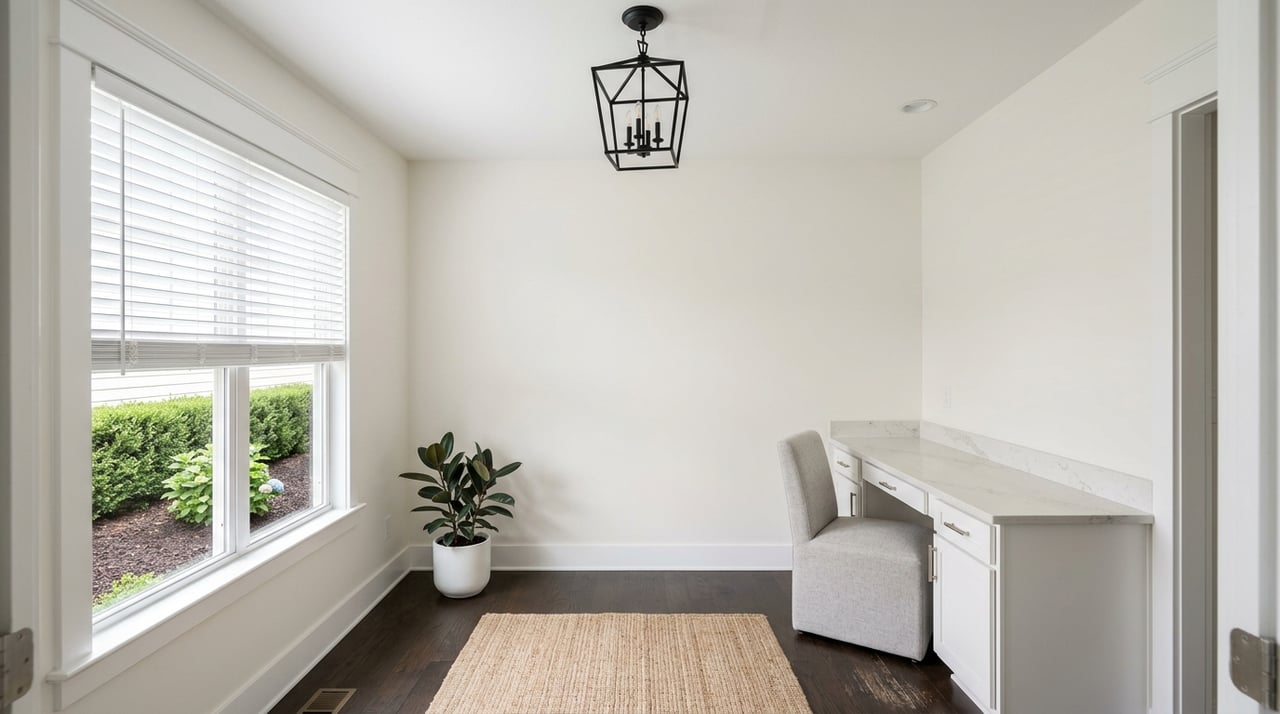
If you have lived in your Germantown home for many years, downsizing can feel both exciting and overwhelming. You may be looking for less upkeep, a simpler layout, or a better fit for your next chapter, but there are a lot of moving parts to sort through. The good news is that Germantown’s market, local tax rules, and strong owner-occupied base give you useful clues for making smart decisions. Let’s walk through a practical plan.
Germantown is a market where many owners stay put for a long time. Census QuickFacts estimates 86.7% of homes are owner-occupied, 26.8% of residents are age 65 or older, and 92.3% of residents lived in the same home one year earlier. That means many homeowners considering a move are doing it after building years of equity and routines in one place.
At the same time, the market is competitive. Redfin reports a median sale price of $494,704 over the last three months and an average of 22 days on market in May 2026. In a market that moves that quickly, preparation matters just as much as pricing.
Before you look at listings or call movers, get clear on what you want your next home to do for you. Downsizing is not only about cutting square footage. It is about matching your home to your daily life.
Ask yourself a few simple questions:
When you define those goals early, it becomes easier to decide what to keep, what to sell, and what kind of property fits you best.
One of the biggest downsizing mistakes is assuming a smaller home will automatically cost less each month. Sometimes it does, but not always. A lower purchase price can still come with higher homeowners association dues, insurance, or maintenance costs.
A practical budget should include the full monthly picture, not just the mortgage payment. That means looking at principal, interest, property taxes, mortgage insurance if applicable, homeowner’s insurance, and any HOA fees. You should also leave room for utilities, repairs, maintenance, moving expenses, furnishings, renovations, and an emergency cushion.
Closing costs matter too. The Consumer Financial Protection Bureau notes that closing costs often run about 2% to 5% of the purchase price. If you are selling one home and buying another, those costs can affect how much cash you want available at each step.
When you evaluate a single-story house, condo, townhome, or patio home, compare each option by total monthly cost. A home with less square footage may still cost more to own if dues, insurance, or upkeep are higher.
This is especially important if your current home has been owned long enough that your payment feels predictable. Your next home should support your lifestyle, not create new budget stress.
If you are a long-time owner, local property tax programs may be worth reviewing before you make a move. In Shelby County, the Property Tax Relief program may help qualifying low-income elderly and disabled homeowners, as well as disabled veteran homeowners and surviving spouses. The Shelby County Trustee states that Tax Relief benefits are available for both city and county taxes.
The county also offers a local-option property tax freeze for homeowners age 65 and older on a primary residence. For 2026, the Shelby County income limit is $63,470, and the freeze requires an annual application. The trustee also lists a $37,530 income limit for elderly and disabled Tax Relief.
Because the trustee notes that its office does not process Tax Relief applications for Germantown, check Germantown’s city-specific instructions before relying on either program. If you qualify, that could affect your timing and your move decisions.
Tax timing can affect your closing numbers more than many owners expect. In Germantown, residential property is assessed at 25% of appraised value. City tax statements are issued in November, city taxes are due December 1, and penalties begin after the end of February.
Shelby County real estate taxes are due the first Monday of October and become delinquent March 1. If your taxes are escrowed, Germantown says you should forward the statement to your mortgage holder. When a sale or purchase crosses year-end, prorations and escrow adjustments can change how much you bring to closing or receive back.
Downsizing works best when decluttering starts early. In a market where homes averaged 22 days on market in May 2026, waiting until the week before photos can create unnecessary pressure. Starting early gives you time to make better decisions and avoid rushed packing.
Begin with the rooms buyers notice first and the areas that will matter in your next home. Focus on keeping what you use, what fits your future space, and what truly serves your daily life. If a room feels crowded now, it will likely feel even more crowded in listing photos.
The National Association of Realtors’ 2025 staging report found that 29% of agents saw a 1% to 10% increase in offered value when a home was staged, and 49% said staging reduced time on market. The rooms most often staged were the living room, primary bedroom, dining room, and kitchen.
That supports a simple downsizing strategy:
Even if you do not fully stage your home, decluttering and correcting obvious issues can help your home show more clearly.
You do not need to overhaul everything to prepare for market. In many cases, the most valuable work is the simplest. Buyers tend to notice visible maintenance issues and rooms that feel too full or too personalized.
Before listing, focus on repairs and updates that improve first impressions. Think in terms of clean, functional, and easy to understand. If something looks broken, worn, or distracting in person, it will likely stand out even more in photos.
Your prep list may include:
In a competitive market, these steps can help your home feel move-in ready without overcomplicating the process.
This is one of the biggest questions for downsizers, and the right answer depends on your finances, comfort level, and housing options. Germantown’s competitive market can support a well-prepared listing, but you also want a realistic plan for where you will go next.
Selling first can give you a clearer budget for your next purchase and reduce the risk of carrying two homes at once. Buying first may offer peace of mind if you want certainty before leaving your current home, but it can also add cost and timing pressure.
The key is to build your decision around your budget, expected proceeds, and your preferred move timeline. A practical plan should account for showings, closing schedules, moving logistics, and any overlap between homes.
If your home includes smart devices, do not forget the digital side of moving out. The Federal Trade Commission recommends listing smart devices, leaving manuals for the buyer, removing administrative access and personal information, and resetting devices to factory settings.
This can apply to thermostats, cameras, doorbells, security systems, and connected appliances. Taking care of these steps helps protect your privacy and gives the buyer a cleaner handoff.
Sometimes downsizers move out before closing, especially if they are trying to make the transition easier. If your home will be unoccupied for a short period while you are away, Germantown Police offers a Vacation Home Check service for occupied homes that will be empty for at least four days and up to one month.
According to the city, officers check doors and windows. The service is limited to occupied homes, not vacant houses or new construction. If you expect a short gap before closing, this can be a useful local safeguard to consider.
Once your sale and purchase are moving forward, details matter. Reviewing closing documents in advance can help you avoid surprises. It also helps to create a written checklist for utilities, mail, and account updates.
A simple transition plan should include notifying your banks, credit card companies, retirement and loan servicers, the DMV, insurance providers, and other companies that send bills or important documents. This helps reduce missed payments, service gaps, and duplicate charges during the move.
A successful downsizing move is not about giving something up. It is about making room for a home that fits your life now. In Germantown, where many owners have stayed put for years and built significant equity, that decision deserves a thoughtful plan.
If you start with goals, budget carefully, prepare your home early, and pay attention to local tax and timing details, you can make the process much more manageable. Downsizing is a major transition, but it can also be a smart and freeing one when handled with the right guidance.
If you are thinking about downsizing in Germantown and want a clear, local plan for selling and buying, Dawn Welch Kinard can help you map out your next steps with practical guidance and experienced market insight.
Stay up to date on the latest real estate trends.
We are here to help you with all your real estate needs, whether it is just a question or help to sell/find a home, feel free to contact us at any time!

WELCH REALTY, LLC
MOBILE: (901) 490-9003
OFFICE: (901) 221-8032
[email protected]
356 NEW BYHALIA RD STE 2 COLLIERVILLE, TN 38017